
Before You Trick-or-Treat: 5 Tips for a More Inclusive Halloween
Halloween can bring new sights, sounds, routines, and experiences for children. A little preparation can help make trick-or-treating more comfortable, confident, and fun!
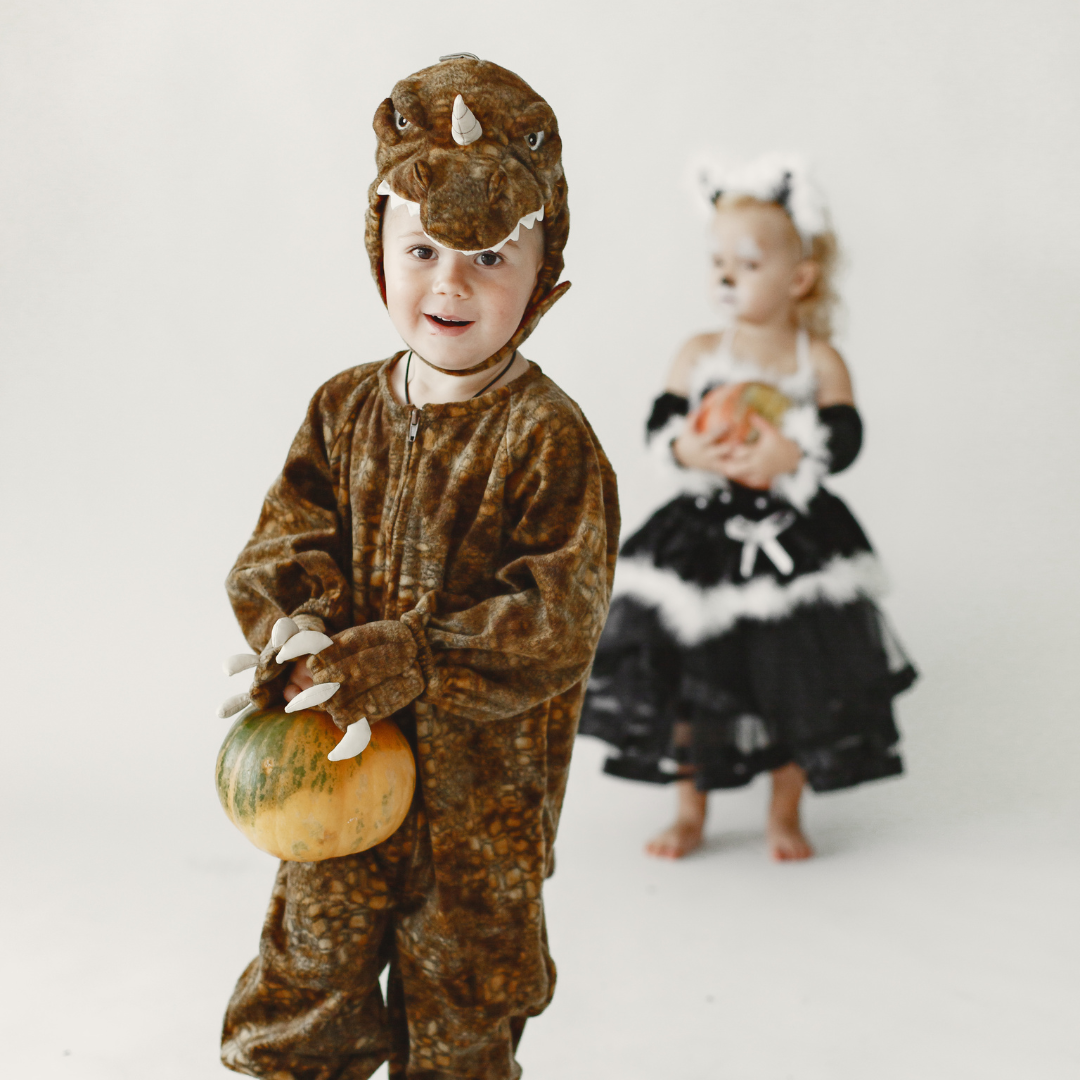
Tip #1: Practice Wearing the Costume
Give your child a chance to try on their entire costume before Halloween. Make sure the shoes are comfortable for walking and that the costume lets your child move and see safely.
Pay attention to sensory comfort, too. Tags, masks, face paint, hats, or certain fabrics may feel uncomfortable. It's okay to modify the costume or leave out pieces that don't work for your child.

Tip #2: Offer Nonfood Treats
Not every child can or wants to eat traditional Halloween candy. When shopping for treats, consider adding a few non-food choices such as stickers, temporary tattoos, pencils, fidgets, or small toys.
Offering options makes trick-or-treating more inclusive for children with food allergies, dietary restrictions, feeding challenges, and other needs.

Tip #3: Practice Trick-or-Treating
Turn practice into a family activity! Use your own front door to rehearse what might happen: walking up to the house, knocking or ringing the doorbell, waiting, receiving a treat, and moving on to the next house.
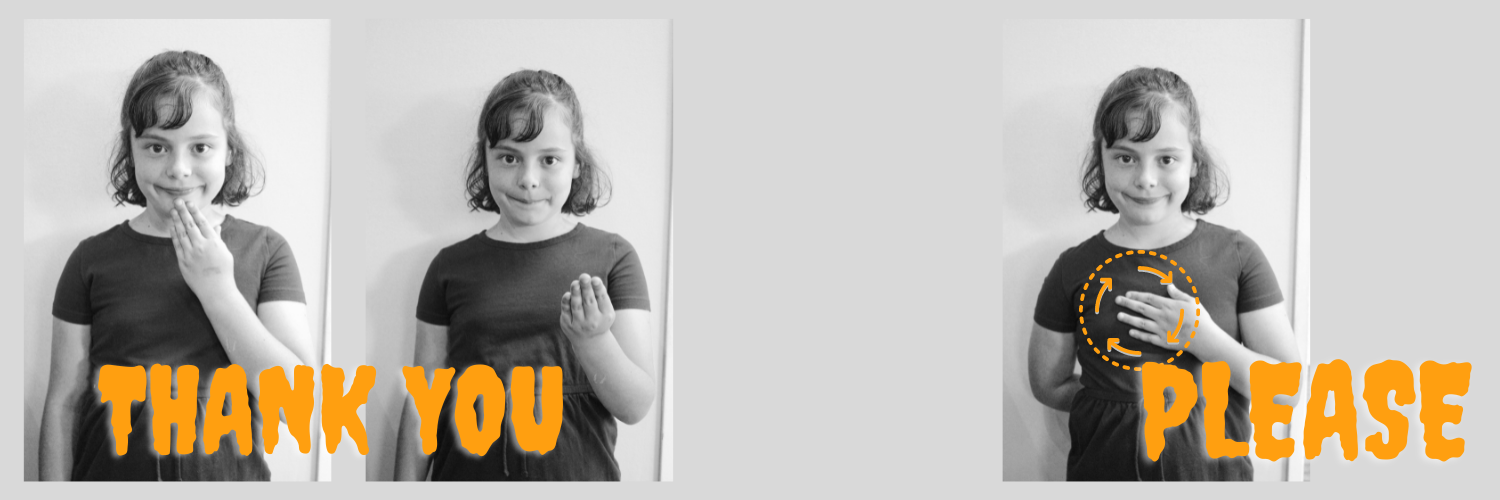
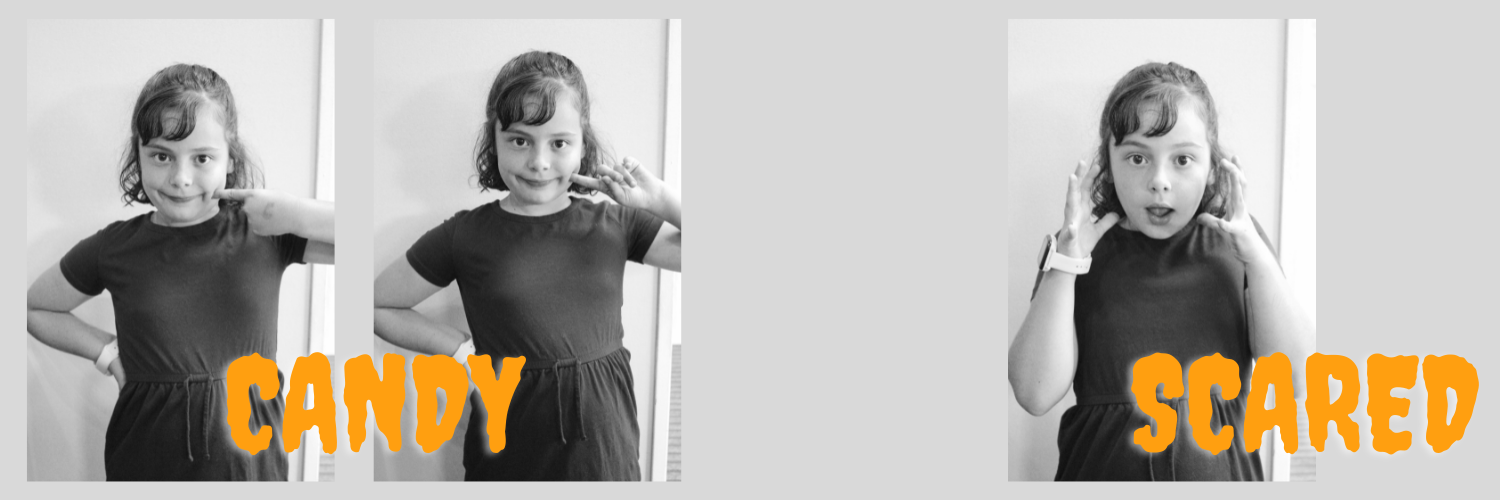
Remember, children don't have to verbally say “Trick-or-Treat” or “Thank you” to participate. They can use signs or gestures. Try out the signs below.
Tip #4: Use Visual Supports
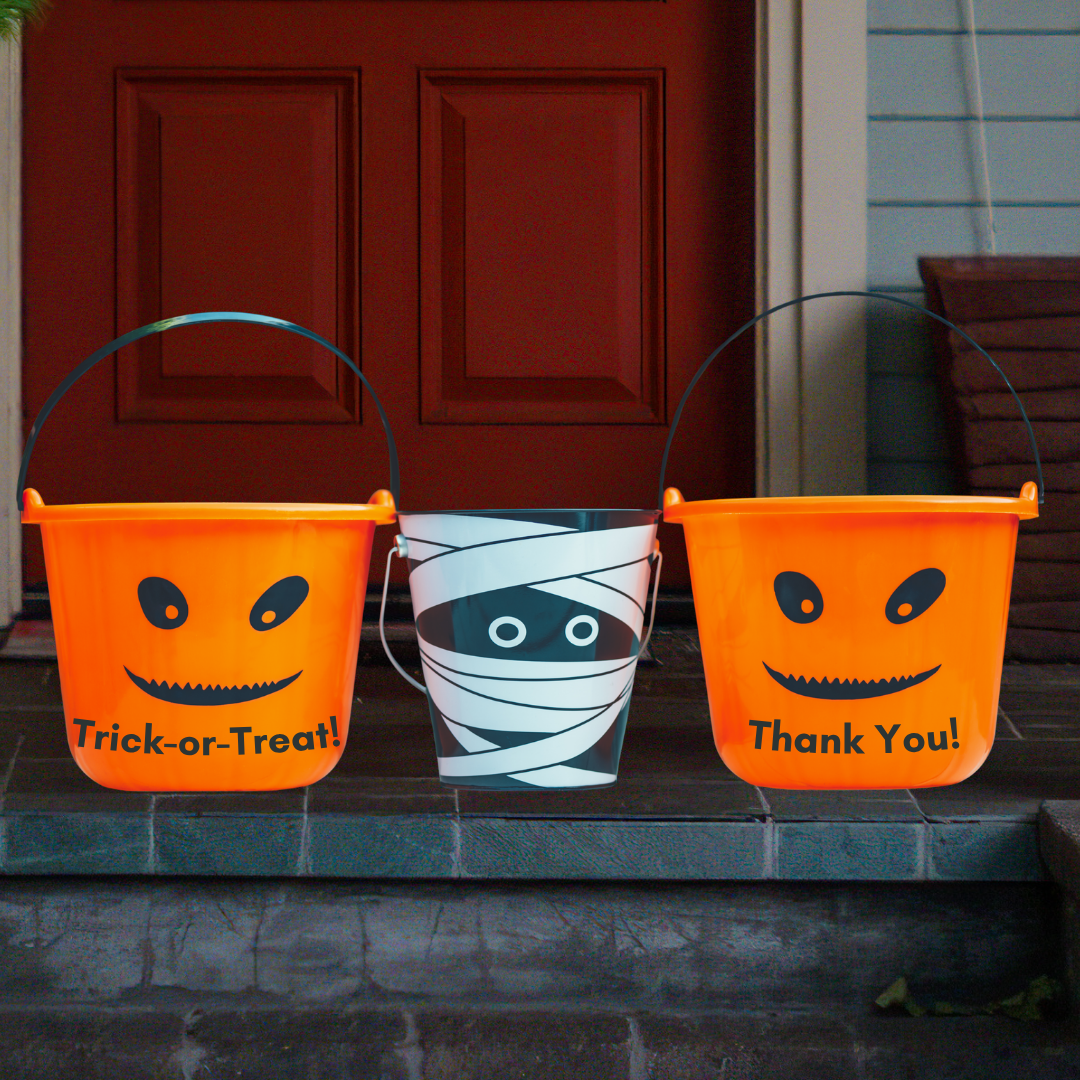
Visual supports can make an unfamiliar activity feel more predictable. Consider adding a “Trick-or-Treat” or “Thank you!” message to your child's bucket that they can show to the person handing out treats.
AAC bracelets, communication cards, and other portable visual supports can give children another way to communicate. Print this Trick-or-Treat bracelet.

Tip #5: Make Halloween Work for Your Child
There isn't one “right” way to trick-or-treat. Your child may enjoy an entire neighborhood, a few familiar houses, a trunk-or-treat event, handing out candy at home, or celebrating another way.
Watch your child's cues, plan breaks when needed, and focus less on completing the activity and more on helping your child have a positive experience.
Need Extra Support?
Every child is unique, and Halloween may highlight sensory, communication, motor, or developmental needs you haven’t noticed before. KTL’s therapists provide individualized, neuro-affirming support designed around your child’s needs and goals.
Contact KTL Therapy to learn more about our services or schedule an assessment.