
Fall Sensory Activities for Kids: 6 Ways to Explore the Senses

Fall is full of exciting sights, sounds, textures, tastes, and movement—making it a fun season for sensory play! These simple fall activities can help your child explore different sensory experiences in ways that fit their individual preferences, comfort level, and needs.
#1 Visual: This sensory system lets you see, process, and interpret information from the environment.

Take a Fall Color Walk
Fall brings plenty of opportunities to explore color! Take a walk around your neighborhood, a park, or even your backyard and see how many fall colors your child can find.
Collect colorful leaves, look for pumpkins and seasonal decorations, or make it a scavenger hunt by searching for something red, orange, yellow, brown, and green.
Try this: Bring home a few leaves and sort them by color, shape, or size.
#2 Auditory: This sensory system lets you hear, process, and interpret sounds in your environment.
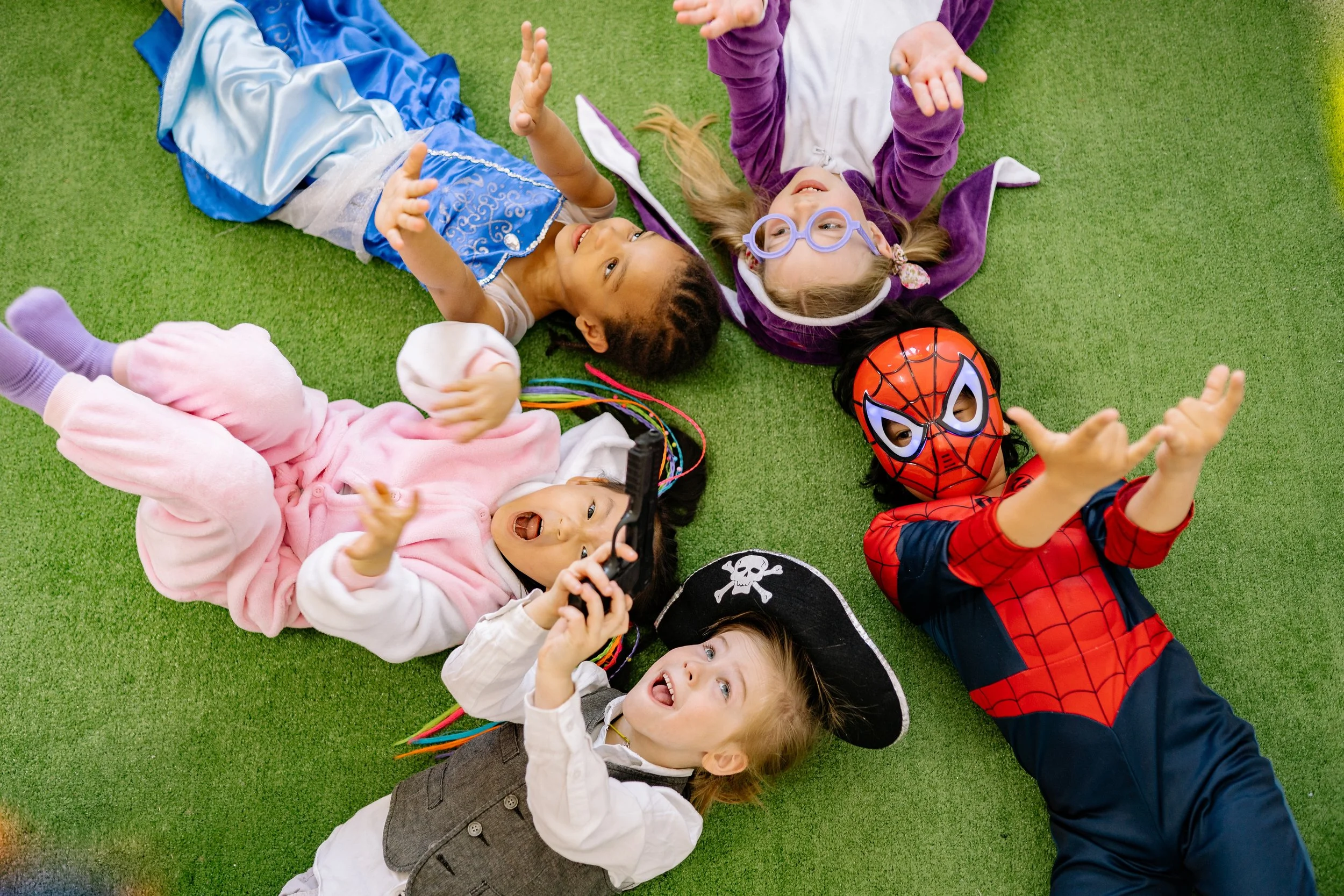
Listen to the Sounds of Fall
Gustatory: This sensory system helps your child interpret and understand various tastes and flavors.

When enjoying Halloween treats,
work with your child to identify
sweet vs. sour vs. salty flavors.
Vestibular: This sensory system helps your child process information as he or she moves through the environment. This includes running, walking, swinging, jumping, and spinning.
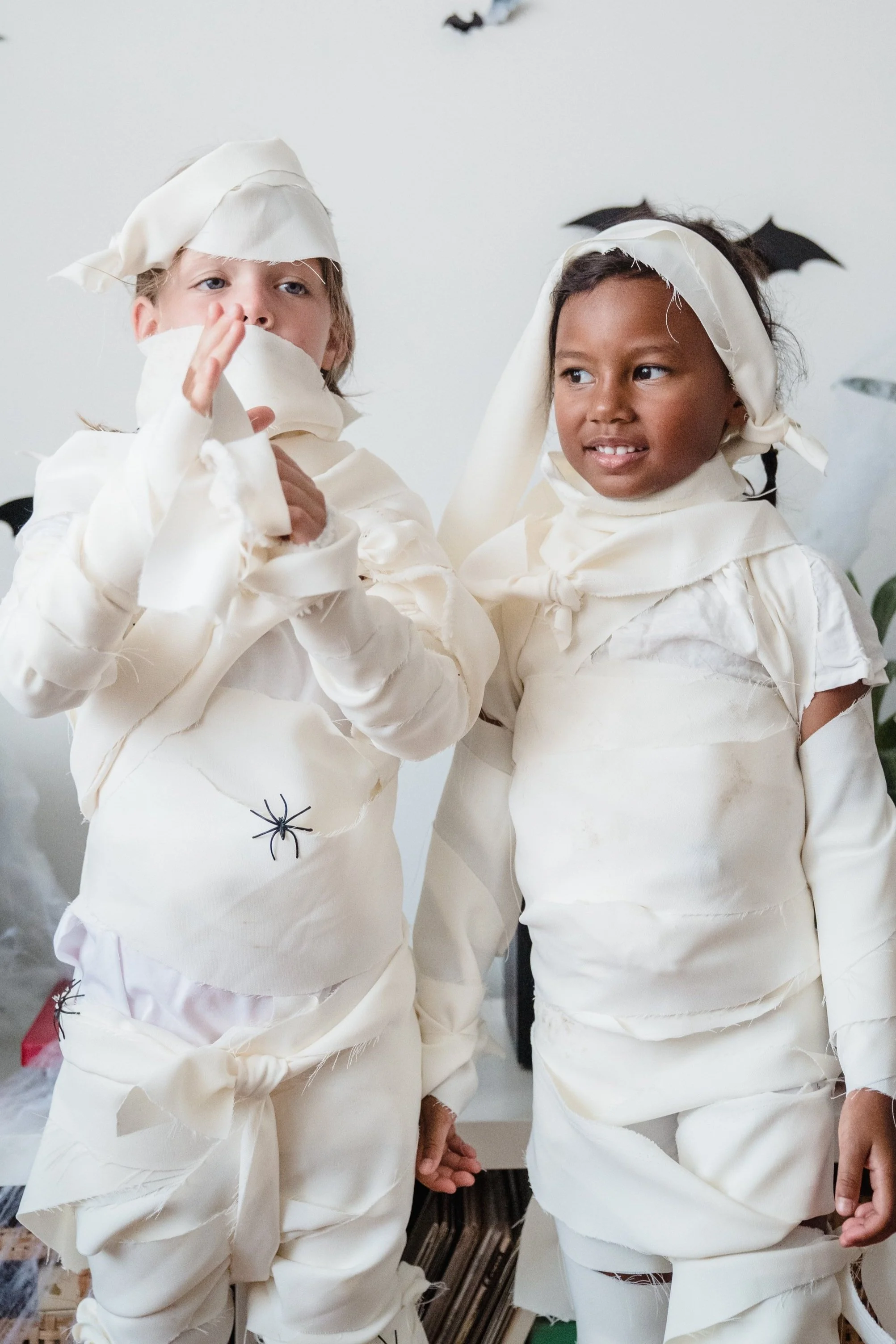
Mummy wraps using toilet paper or blankets to make your child into a mummy as they spin around to wrap up.
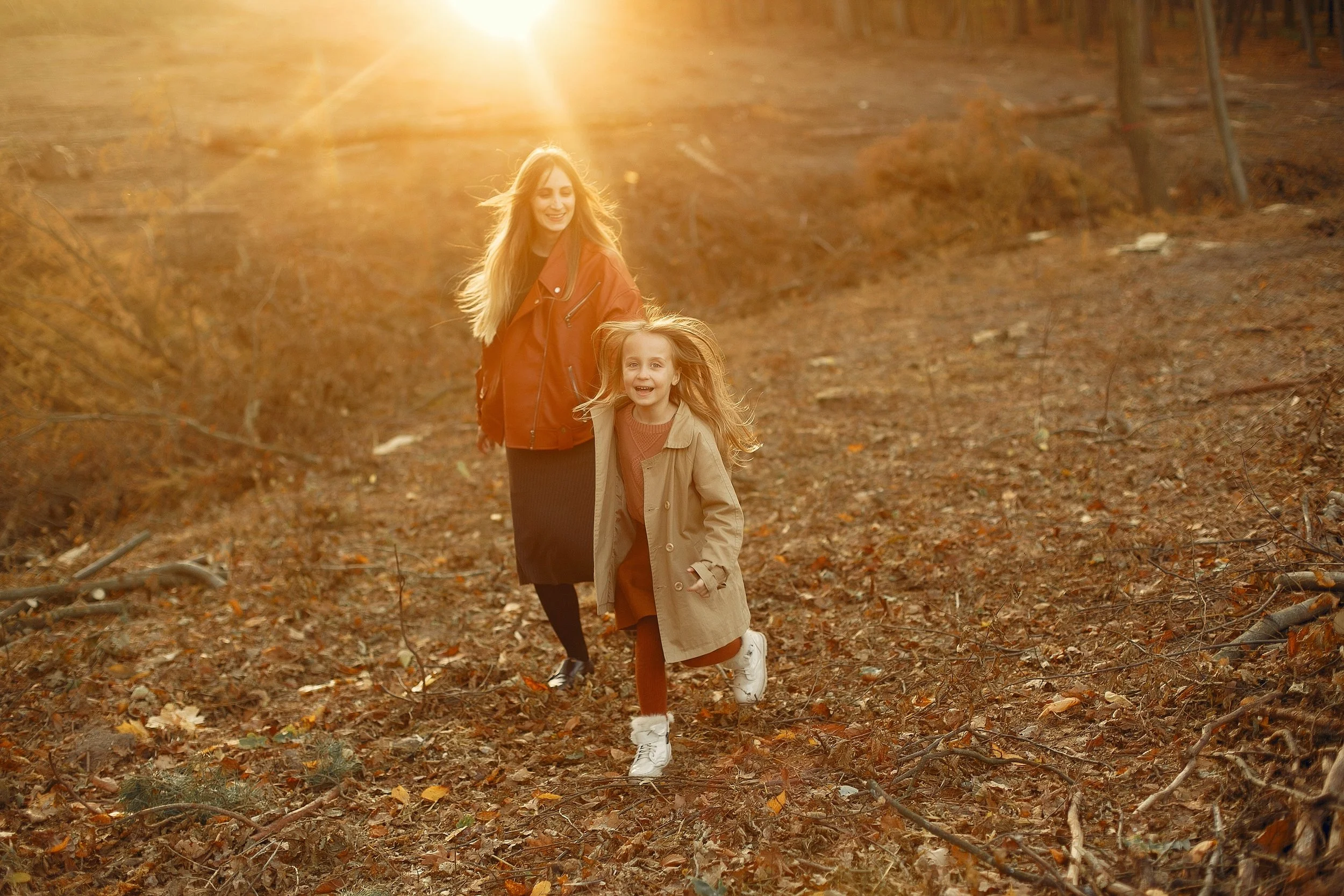
Try different fall-themed walks:
walk like a mummy
scamper like a squirrel
stomp like a monster
fly like a witch
roll like a pumpkin
float like a ghost
wobble like a turkey
Proprioception: This sensory system helps your child know where his or her body is in space.
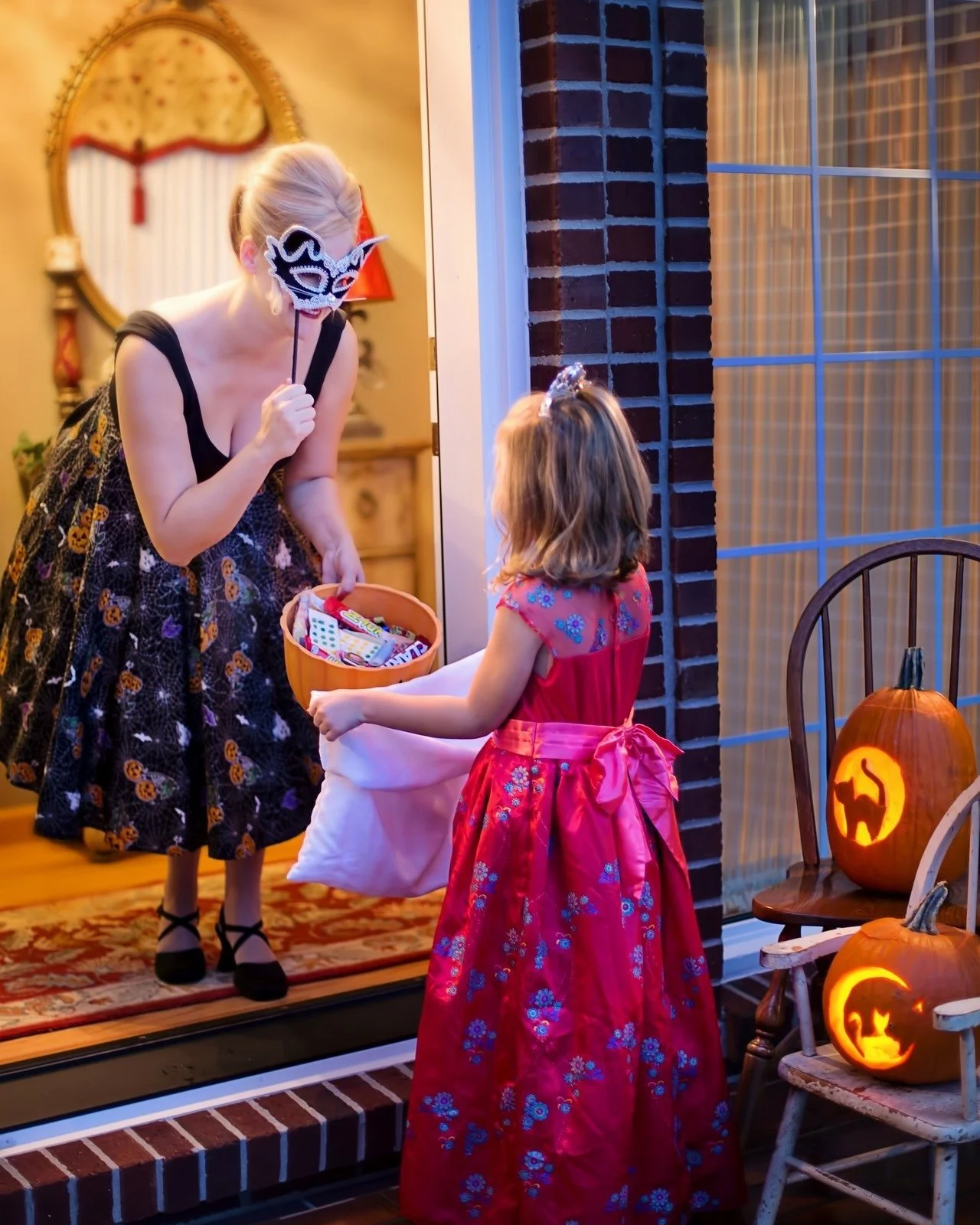
Add in heavy work during trick-or-treating by having your child carry their bag of candy for part of the trip.
Have a child who needs a lot of deep pressure to stay regulated? Find a costume that is heavier, tighter, or layered to allow for some deep pressure input throughout the night.
If your child does not enjoy deep pressure, plan a costume that is lighter, looser, and made with flowing materials.
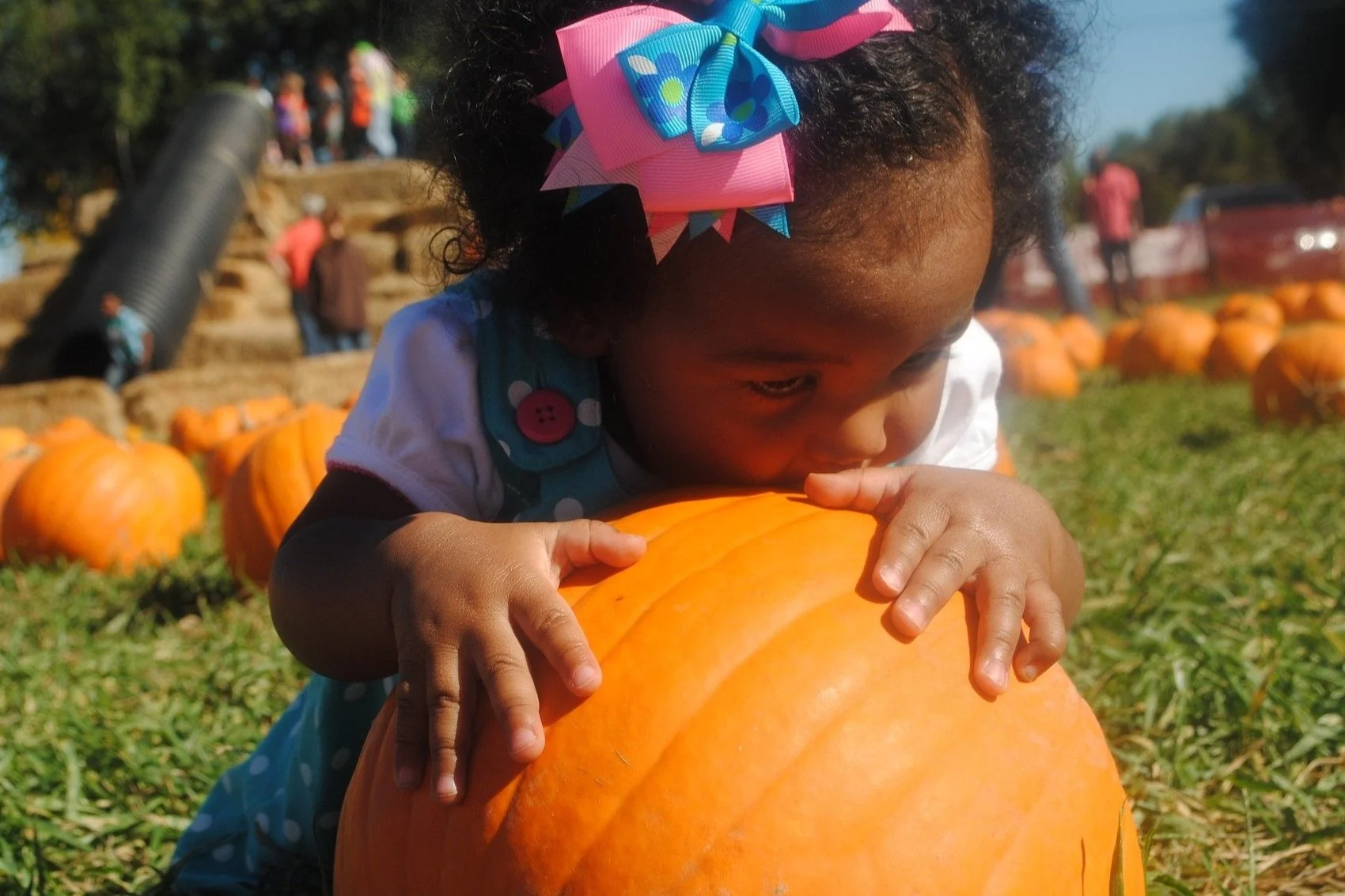
Heavy work is a great way to support this sensory system! Trips to the pumpkin patch aren't only for cute family photos, they also provide various opportunities for heavy work.
Have your child help load pumpkins and gourds into the wagon at the pumpkin patch. Pick out an extra large pumpkin and have your child roll the pumpkin around in your yard. Work on play and socialization skills by having pumpkin races with siblings and friends.
Tactile: This sensory system allows your child to process his or her environment through light touch.
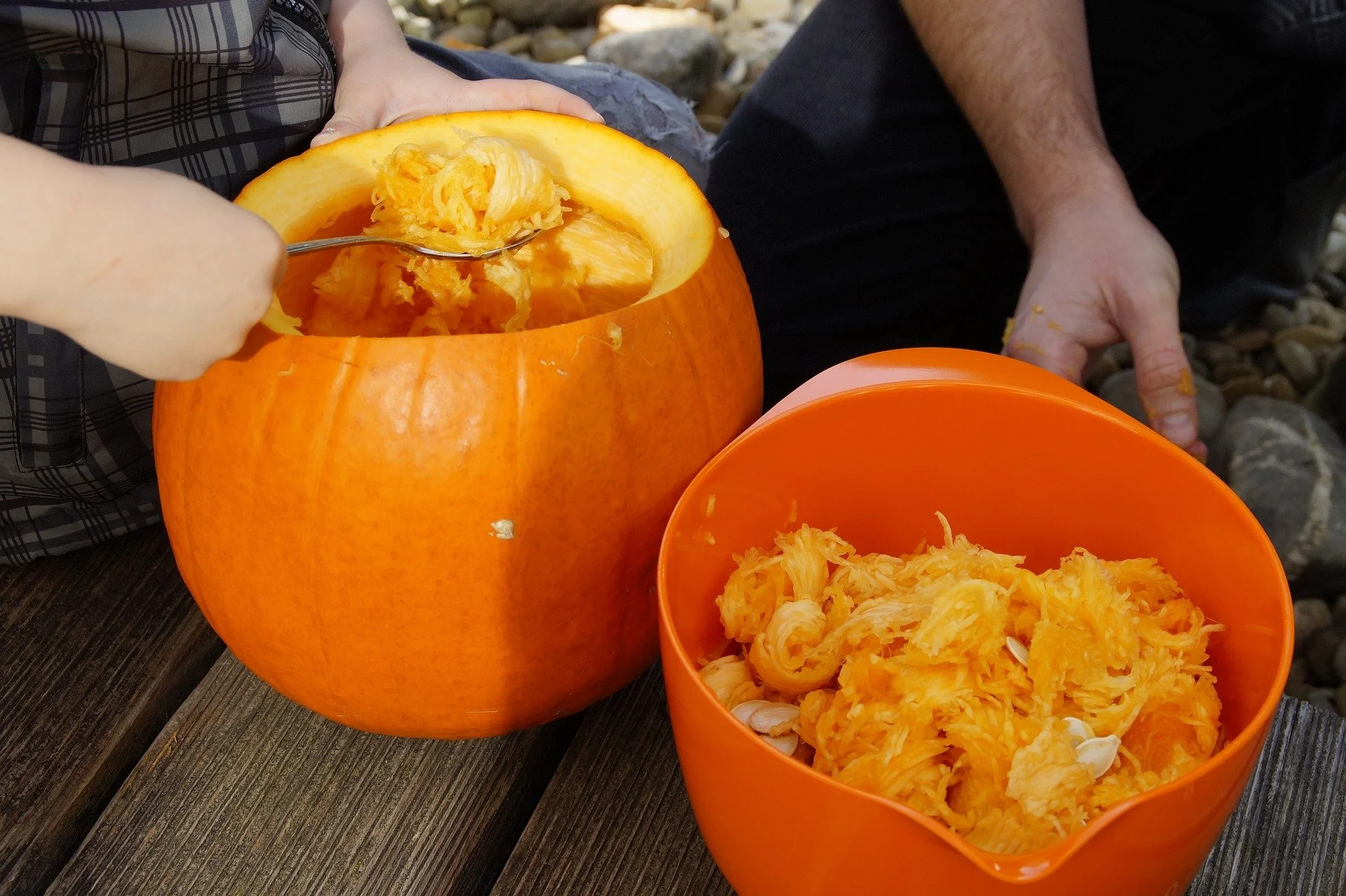
Put those pumpkin guts to good use! When carving pumpkins, let your child help scoop out the inside and place it into a bin.
To work on fine motor skills, have them remove the seeds to roast, or you can hide little treasures (spider rings, plastic skeleton bones) to dig out.
Or, create a sensory bin! Fill a bin with acorns you collect on a fall walk in the neighborhood, corn kernels, plastic spider rings, fall-themed erasers, and fake leaves. Talk about the different textures with your child: “smooth," “crunchy,” “round,” “squishy,” etc.